
About
Project Objectives
ONE Culture is a European cooperation project aimed at addressing Euroscepticism by using creative and participatory educational methods. It promotes global citizenship, intercultural dialogue, and democratic values through informal learning in cultural and artistic contexts. The project engages adult learners and educators across Europe in exploring common European identity and shared values.
The main objectives of the project are:
– To combat nationalism and disinformation by fostering civic engagement.
– To promote inclusion and critical thinking through artistic expression.
– To provide adult educators with tools and methodologies to support democratic culture and global awareness.
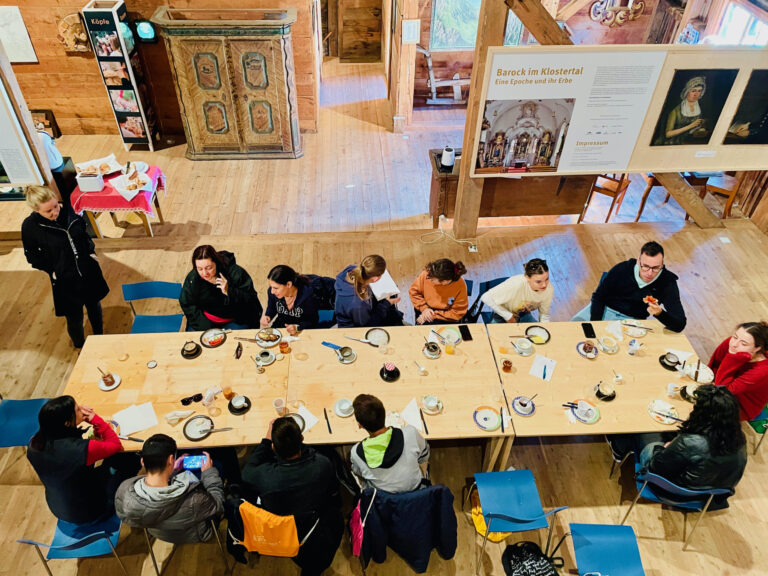
Key Themes
The project is built around several core themes:
- Cultural Heritage and Creativity: Using arts and culture as a medium for expression and connection.
- European Values: Democracy, human rights, solidarity, and cultural diversity.
- Global Citizenship: Encouraging individuals to understand and act upon global issues.
- Civic Participation: Strengthening active involvement in community and democratic life.
- Intergenerational Dialogue: Bridging the gap between generations through shared cultural reflection.
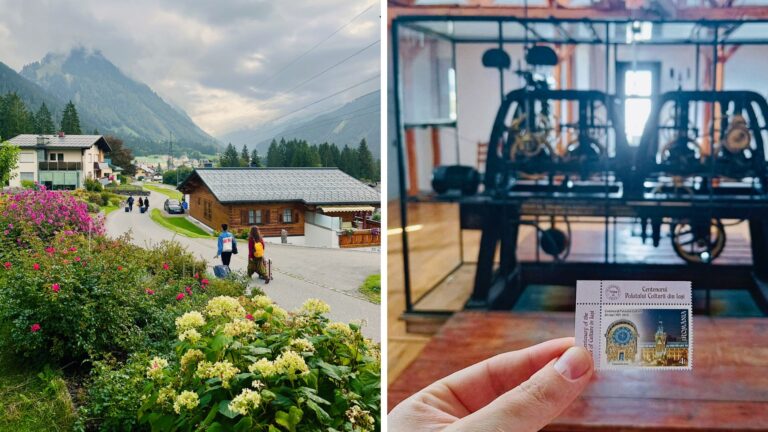
Methodological Approach
ONE Culture is grounded in informal education principles, with a focus on experiential and collaborative learning. Its methodology blends:
Narrative learning and storytelling, encouraging personal reflection and empathy.
Creative expression through digital tools, comics, sound, and visual arts.
Collaborative learning environments, where adult learners and educators co-create content.
Use of digital platforms to expand access and sustainability of educational materials.
The project integrates inspiration from previous Erasmus+ and national initiatives, and prioritizes inclusion, accessibility, and adaptability to different learning needs and contexts.
Funded by the European Union. Views and opinions expressed are however those of the author(s) only and do not necessarily reflect those of the European Union or the European Education and Culture Executive Agency (EACEA). Neither the European Union nor EACEA can be held responsible for them.
Authors
© 2025 – ENCRE – European Network of Comics Representatives and Entrepreneurs (BE), Skill Up Srl (IT), Cap Ulysse (FR), Museumsverein Klostertal (AT), Complexul Muzeal National Moldova Iasi (RO), Quiosq (NE).
This publication was carried out with the financial support of the European Commission under Erasmus + Project “ONE Culture – Overcoming Nationalism and Euroscepticism through Culture”, N. 2024-1-BE01-KA220-ADU-