How can we transform abstract concepts of European citizenship into tangible, understandable, and daily actions for everyone?
Faced with the challenges of euroscepticism and civic disengagement, the Erasmus+ ONE Culture project offers an innovative answer: using artistic expression and creativity as levers for inclusion and adult learning. This European initiative aims to foster a stronger sense of belonging by bringing foundational values directly into the learners’ realities.
To test these principles on the ground, pedagogical teams in Bordeaux, France, recently implemented a highly practical activity named “A Day in the Life of a Global Citizen”, taken from the toolkit for learners of the project. This workshop serves as a perfect illustration of how digital tools can turn civic education into an active, empowering experience.
The Activity: From Concept to Image
The objective of the activity is to lead learners to identify the fundamental values of the EU (such as equality, human dignity, freedom, …) within their routines as global citizens, and then to translate these reflections into short videos of about two minutes.
Rather than approaching citizenship from theoretical, historical or institutional angles, the exercise invites participants to reflect on their values and the behaviours that benefit not only themselves, but also the people around them at various levels, such as neighbours, family and community members: this is what global citizenship is all about. After discussions, the groups select one or more values and identify actions that represent them. This demonstrates the true meaning of the values through visual and everyday actions, enabling a better comprehension of intangible concepts.
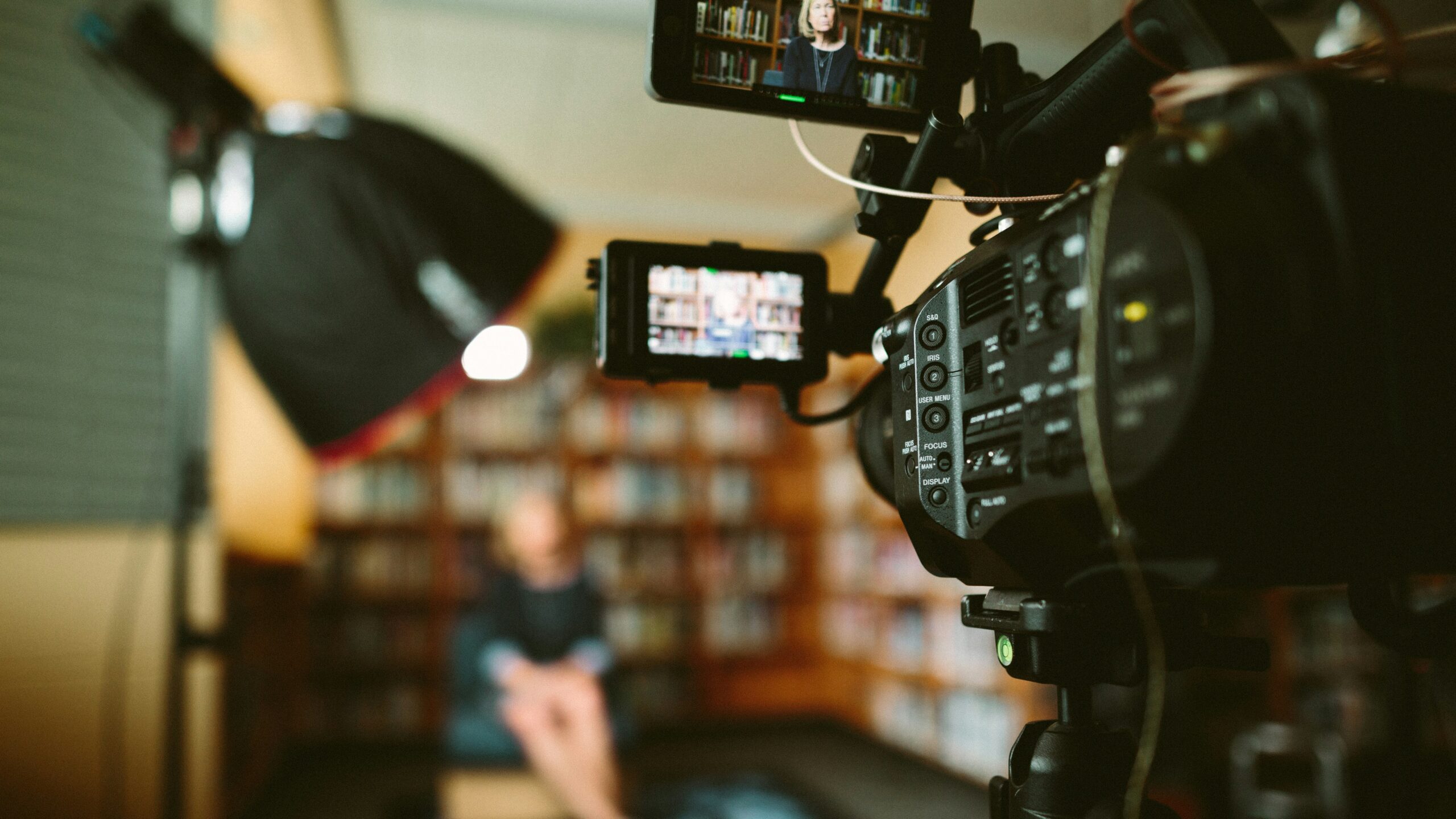
Equipped with their smartphones and using the user-friendly CapCut editing application, participants first design a storyboard. They then go out to film real scenes, objects, or symbolic gestures that capture their active role within the local community.
Field Adaptation: The Facilitator’s Role in Overcoming Barriers
During the pilot session organised in Bordeaux, the participating group brought together a highly diverse and multicultural audience, including Spanish-speaking seniors and women from immigrant backgrounds learning French. Faced with a group where mastery of the local language was sometimes limited, the core challenge was to ensure that neither language nor technology became a barrier to expression.
To overcome language blocks during the brainstorming phases, trainers encouraged participants to use alternative communication methods like miming, sketching, or searching for images online to build their storyboards.
To encourage participants to share examples of different actions and associated values, the trainers provided thematic prompts and practical support to facilitate discussion and video presentations that were grounded in EU values. Themes were:
● Recycling and waste sorting (linked to environmental justice and civic duty).
● Volunteering and community support (linked to solidarity and human dignity).
● Daily commutes (linked to freedom of movement and shared public spaces).
● Responsible consumption (linked to fighting waste and fair sharing of resources).
Furthermore, the pedagogical team smoothly adapted the technical process on the ground. Recognising that jumping directly into independent video recording could be intimidating for some participants, the facilitators stepped in to assist with filming. By co-creating the videos, where participants drove the concepts and actions while facilitators supported the technical execution, the workshop remained fully inclusive.
A simple gesture captured on screen, such as sorting waste, donating to a charity, or choosing a bicycle, speaks volumes on its own. This collaborative approach allowed everyone to fully express their citizenship without being hindered by technical anxieties.
Why This Matters for Adult Education
The “A Day in the Life of a Global Citizen” workshop demonstrates that media and digital literacy can be successfully introduced to diverse groups of adult learners, including those with limited educational backgrounds, as long as the learning approach remains flexible and inclusive.
In this case, the facilitators did more than just teach how to film and edit videos. They used this format to stimulate creativity as a way to help learners explore their identity, express their ideas, and reflect on their role as active citizens. Working together on a shared creative project also encouraged communication, collaboration, and mutual learning, even when language barriers existed. It highlights a crucial lesson for adult educators: creativity is not only a way to make learning more engaging, but also a powerful tool for communicating and understanding abstract concepts such as the EU values. By transforming these into simple everyday actions and visual stories, learners were able to give concrete meaning to ideas that can otherwise seem distant or difficult to understand.
The collaborative process was equally important. By creating videos together, participants discovered that many of their daily actions reflected the same values, despite their different backgrounds and life experiences. This shared creative experience strengthened dialogue, built connections between learners, and reinforced a sense of belonging to a wider community.
By watching their own routines on screen, learners realised that they embody and live European values every day, often without even noticing it. This is precisely the core ambition of the ONE Culture project: helping people recognise the value of their actions, understand what they have in common with others, and develop a stronger sense of belonging to the European community. Rather than relying on top-down messages, the project promotes active participation, lived experience, and creativity as powerful ways to strengthen civic engagement and counter euroscepticism.
To learn more about the modules and tools developed under the Erasmus+ ONE Culture project, visit the official website: https://www.one-culture.eu/
Photo by Sam McGhee on Unsplash
Leave a Reply