
By ENCRE
Beyond Brexit, reasons behind Euroscepticism
Before Brexit, the idea of a country leaving the European Union seemed almost unthinkable. A few had tried—through referendums and public consultations—but with little success. Despite economic crises, political tensions, and social discontent, the Union had always held firm. That was, until the Treaty of Lisbon introduced a legal pathway for withdrawal, pushed for by countries like the United Kingdom, Denmark, and Ireland, which had secured opt-outs on key policies. This small but pivotal change in the EU’s legal framework made Brexit possible, turning a theoretical possibility into a stark reality.
Yet, Brexit was not the cause of Euroscepticism—it was its most visible symptom. Long before the UK’s departure, doubts about the European project had been simmering beneath the surface, fueled by a mix of economic anxiety, cultural resistance, and a growing sense of disconnection between Brussels and its citizens. The 2008 financial crisis, the perceptions of the migration waves of 2015 and relations with identity issues, and the perceived democratic deficit of EU institutions all played their part in eroding trust. What was once a fringe sentiment began to spread like an oil stain, crossing borders and political spectra.
But Euroscepticism is not just about opposition. It is also a call for reflection. What if, instead of seeing it as a threat, we viewed it as an opportunity? An opportunity to address the gaps in the European project, to reforge common values, and to adopt best practices that could bridge the divide between institutions and people? This article explores the roots of Euroscepticism, its manifestations, and—most importantly—how shared values and practical solutions might just be the key to turning the tide.
What is Euroscepticism and why it can be a threat
Euroscepticism is more than just a political buzzword; it is a spectrum of attitudes toward the European Union, ranging from cautious criticism to outright rejection. According to the Encyclopædia Britannica:
Euroskepticism is a political viewpoint that involves advocating for disengagement from the European Union (EU). Generally, Euroskeptic political parties are broadly populist and advocate for stronger immigration controls, along with either dismantling or streamlining the EU’s bureaucratic structure. Euroskeptic parties can be “hard,” expressing complete opposition to European integration and advocating for withdrawal from the EU, or “soft,” conditionally favoring European integration but qualifying such support along political, ideological, ethnic, or geographic lines.
Although the process of deepening and consolidating European structures has almost always been driven by moments of crisis, as history has demonstrated, the spread of Euroscepticism has translated into widespread discouragement and a growing indifference toward the future of the Union. Rather than fostering constructive dialogue, Euroscepticism has gained traction through a non-constructive approach, feeding on and being amplified by populist and nationalist movements.
Despite a slight decline in recent years, in 2023 the countries with the highest share of respondents who believed their nation would be better off outside the European Union included Poland, Cyprus, Slovenia, Croatia, and Italy.
Shared Culture, Local Actions: Bridging the Gap
Euroscepticism often stems from a perceived disconnect between European institutions and the daily lives of citizens. Yet, some of the EU’s most successful initiatives prove that shared culture and local actions can foster a sense of belonging and mutual understanding. Two programs, in particular, stand out as powerful examples of how European integration can thrive at the grassroots level: the European Solidarity Corps and Erasmus+.
Launched in 2016, the European Solidarity Corps offers young people the opportunity to engage in volunteering, traineeships, or job placements across the EU, focusing on areas such as migration, environmental protection, sports, youth work, education, and child welfare. By addressing local challenges, the program not only provides practical support to communities but also fosters a sense of European solidarity. Young individuals living abroad for more than 2 months have also the opportunity to learn a new language and delve deeper into a new culture, while gaining confidence and learning to live with other people, sharing unforgettable experiences with them.
For instance, volunteers working in migration projects help integrate refugees into local communities, breaking down cultural barriers and promoting social cohesion. Similarly, environmental initiatives bring together young people from different countries to tackle climate change at a local level, proving that shared goals can transcend national borders. The Corps demonstrates how European values—such as solidarity, inclusivity, and sustainability—can be put into practice, creating tangible benefits for both participants and the communities they serve.
Similarly, the Erasmus+ program has proven to be a significant tool to foster European identity. Since its inception in 1987, Erasmus+ has become synonymous with student mobility, allowing millions of young Europeans to study, train, or volunteer abroad. While the academic exchange is a cornerstone of the program, its true power lies in the cultural immersion it facilitates. Students who spend a semester or a year at a university in another EU country do not just gain academic credits—they experience daily life in a new cultural context. However, many do not know that Erasmus+ includes shorter projects (up to 2 weeks) in terms of youth exchanges and training courses. With a different intensity, this program puts youngsters around a topic, such as mental wellbeing, gender equality, sustainability, sport, and similar. Through non-formal education, participants are engaged in workshops, cultural nights, and focus groups, as powerful tools to sharing, communicating, and developing mutual understanding. On cooking together, many sustained to find many things in common.
Sharing holidays, celebrating local traditions, and navigating the challenges of living abroad together, youngsters from diverse backgrounds find common ground in their shared European identity. A German student celebrating Christmas in Italy, a Spanish student participating in a traditional Easter procession in Poland, or a French student joining a local festival in Greece—these moments of connection help break down stereotypes and build lasting friendships.
Erasmus+ is more than an educational program; it is a living testament to the idea that Europe’s strength lies in its cultural diversity and shared values.
In addressing the main consequences of Euroscepticism (islamophobia, xenophobia, misogyny, generic stereotypes and indifference toward the European Union) these initiatives aim at creating a network of people willing to travel from a country to the other, taking advantage of their European citizenship and of the freedom of movement in the Schengen Area. Nevertheless, these people are more prone to share time together, and thus build on a sense of belonging, solidarity, and friendship.
It is hard to think of a similar pattern around the world.
Common values for One Culture
With a consortium of six European partners, the “ONE Culture” project was conceived to put together various entities from different countries aiming to tackle Euroscepticism by leveraging intergenerational dialogue and shared European values as tools to rebuild trust and connection. By bringing together young adults (18-35) with low educational opportunities and older adults (50+) – two groups particularly vulnerable to disillusionment – the project creates spaces where diverse perspectives can meet through art, cultural heritage, and creative expression. Training, exhibitions, and collaborative workshops encourage participants to explore common values like solidarity, inclusivity, and sustainability, while recognizing how these principles have shaped Europe’s history and identity. This intergenerational exchange not only bridges gaps in understanding but also humanizes the EU, transforming it from a distant institution into a living, cultural community. By grounding European identity in tangible, shared experiences—rather than abstract policies—ONE Culture fosters a sense of ownership and pride, countering the narratives of division that fuel skepticism.
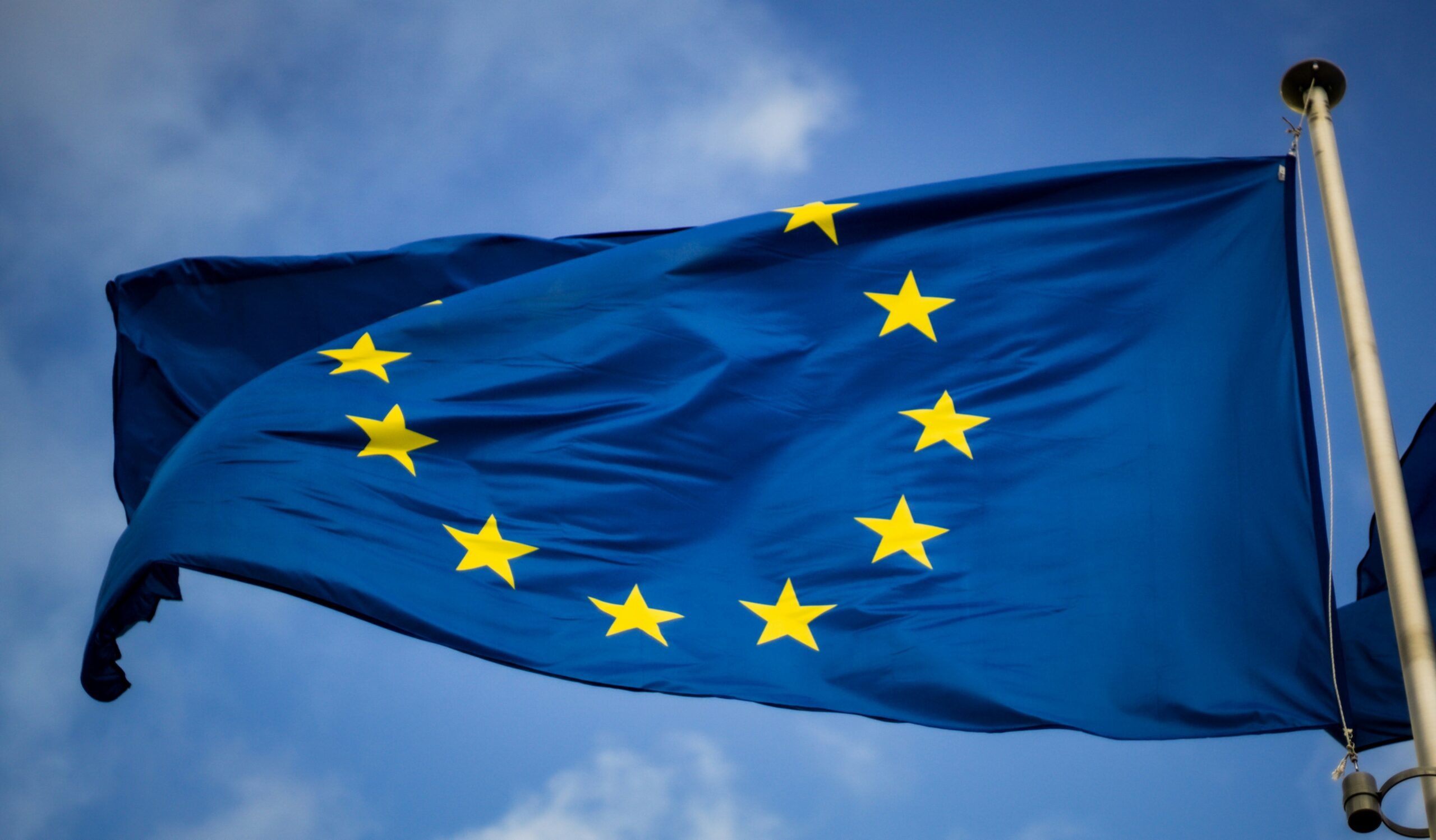
Photo by Christian Lue on Unsplash
Leave a Reply