
From museums to the street
I grew up in Italy, where English is practically a mandatory subject throughout your entire school journey. Grammar rules, vocabulary lists, common expressions. I even started reading books in their original language, thinking it would be enough. Yet, no matter how much I learned, I always felt like something was missing to speak English with real confidence.
Then, through the European Solidarity Corps, I moved to Lisbon, where I lived with three other young Europeans. Suddenly, English wasn’t just a subject in a textbook—it was the language I needed to communicate with my housemates. Whether we were discussing work tasks, organizing daily chores, or just figuring out who forgot to buy toilet paper, English became the bridge between us. That’s when I truly learned it—not from a classroom, but from the messy, unpredictable, and exciting reality of everyday life shared with peers. This is informal learning.
What is it about?
Informal learning aims to deepen and reinforce skills acquired through formal or non-formal education and training, and to motivate to delve into them. According to the OECD, it filled the gap between theoretical knowledge and practice, enhancing a variety of hard and soft skills.
Through work, daily life, social interaction, and self-directed experience – across all stages of life, informal learning is flexible and responsive, complementing formal and non-formal education and training by reinforcing and expanding skills.
What are the benefits of it? Who takes this advantage?
Among youngsters, informal learning widens knowledge and skills beyond the time spent at school, through hobbies, interaction with other young people, volunteering, sports, arts, libraries, digital platforms, and exchange with adults. This would spillover for classroom learning, deepen understanding, and foster broader social and personal development.
For adults, this approach develops upskilling and reskilling, increasing productivity at work, while developing a more positive attitude towards continued personal development and increasing soft skills, such as communication, teamwork, leadership, adaptability, critical thinking, initiative, and socio‑emotional competencies.
Nevertheless, as reported by OECD (2026) also CSOs gain benefits in terms of productivity, adaptability, and innovation, while education systems benefit from enhanced learning that bridges theory and practice. Especially new digital technologies and AI create new forms of personalised and adaptive learning. On the other hand, many state that rapid technological change and digitalisation bring challenges to privacy and improve the risks of misuse. Society as a whole gains through social cohesion, civic engagement, and economic resilience.
Benefits are largely recognised. But are they for everyone?
Inequalities may arise. Those who are with stronger prior educational foundations, with wealthy family and social network, or more learning-rich jobs are often better positioned to benefit from it.
In addition, many cope with layered challenges. Firstly, migrant people and refugees suffer from the lack of resources, equipment and competences, including linguistic skills, while experiencing discrimination.
Secondly, within families, women disproportionately take on care work—such as homeschooling during the COVID-19 pandemic, assisting with homework, or other child-rearing tasks. Limiting their access to informal learning opportunities, women struggle to accumulate social and cultural capital at the same rate, reinforcing gender inequalities.
Lastly, other groups, disengaged learners and employees in small and medium-sized enterprises (SMEs), who may face barriers to participating in more structured learning opportunities due to the lack of resources and time.
Inclusivity is thus essential for enhancing the skills of those who need them the most and so creating a virtuous cycle of personal confidence, engagement and reciprocity. In this context, Global Citizenship Education and Digital Citizenship Education are essential to engage people and create a change.
Opportunities, from the cities
Cities have embraced new forms of education by integrating informal learning as a complementary way to deliver knowledge—not just information, but practical, actionable skills. In the face of challenges like the COVID-19 pandemic, cities leveraged their proximity to citizens and local resources to act quickly and contextually, responding to emergencies and addressing community needs more effectively, particularly for vulnerable groups (OECD, 2020, UNESCO).
While municipal governments in many countries often have limited or no control over formal education systems, they typically manage non-formal learning spaces, such as community centers, libraries, and museums. They also frequently support grassroots initiatives like learning neighborhoods, study circles, or family literacy programs. Moreover, cities can collaborate with cross-sector partners to design, develop, and implement non-formal and informal learning programs, ensuring education remains accessible—especially for those who need it most.
During pandemic restrictions, for instance, libraries stepped up by offering free access to digital collections, virtual learning programs for all ages, and curated educational materials. These spaces foster environments where learners can engage beyond traditional instruction—whether through collaborative knowledge-building, informal discussions, or self-directed study.
From museums
The “Visita Museu Fora do Armário” (Visit the Museum Outside the Closet) initiative by the Museu de Lisboa is a powerful example of how informal and non-formal education can foster inclusivity, dialogue, and social awareness. Derived from the phrase ‘coming out of the closet’—commonly abbreviated as ‘coming out’—this metaphor refers to the public disclosure of one’s sexual orientation, a practice most frequently associated with the LGBTQIA+ community. This project invites participants to explore the museum’s collections through an LGBTQIA+ lens, offering guided tours that highlight queer histories, identities, and narratives often marginalized in traditional education.
What makes this initiative so valuable is its ability to transform a museum visit into a dynamic learning experience. By addressing topics like gender diversity, sexual orientation, and intersectionality, it encourages visitors to reflect critically on history, art, and society. Unlike formal education, which often follows rigid curricula, this approach engages learners emotionally and intellectually in a safe, interactive space. It also demonstrates how cultural institutions can act as agents of change, using their platforms to promote empathy, challenge stereotypes, and validate underrepresented voices.
To accomplish goals like that, the Erasmus+ ONE Culture project exemplifies this shift as a standout best practice, leveraging informal education and the universal language of art to combat Euroscepticism, isolation, and social divide. At the core of this initiative, museum educators are provided with an Informal Training Toolkit designed to make cultural spaces accessible to all. By reframing museums as active learning environments, the effort shifts the educator’s role from traditional lecturer to dialogue facilitator. Through hands-on, non-formal modules—focusing on intercultural and intergenerational exchange—the project brings together young adults with lower education backgrounds and older adults (+50). Learners actively engage with heritage and create their own artworks, which are later exhibited directly in the museums. This creative, informal approach breaks down cultural and linguistic barriers, proving that heritage can serve as a powerful engine for community building and active citizenship.
To the streets
When The Times highlighted Geronimo’s street initiatives on Instagram in early July 2026, the content instantly went viral. Geronimo (27) created Geronymonstre to bring literature out of institutional spaces and directly onto the streets of France. Through his viral video series, “Club de lecture au quartier” (Neighbourhood Book Club), he sets up informal reading corners in working-class suburban neighborhoods (les banlieues).
By making fiction, philosophy, and classical literature accessible to underserved communities, Geronimo turns public squares into open-air salons. His approach strips away the intimidation often associated with intellectual culture, using literature as an inviting catalyst for critical thinking, vibrant debate, and social cohesion. By giving a platform to voices rarely heard in traditional literary circles, Geronymonstre proves that deep intellectual curiosity thrives anywhere when given the space to flourish.
This powerful example of street-level engagement perfectly mirrors the core philosophy behind the ONE Culture project, which similarly harnesses informal learning to bridge social and cultural divides.
During these pilot testing activities, young adults with low schooling levels and adults over 50 are brought together in non-formal learning environments to explore shared European values, cultural heritage, and pressing social themes. Crucially, these sessions encourage participants to engage in a collaborative, critical reflection on what a shared, inclusive vision of Europe truly means to them. The highlight of this journey is the “My Europe” Project Work, where learners translate their open discussions into personal or collective artworks.
These interactive laboratories go far beyond creative expression. By replacing top-down lectures with open dialogue, debate, and artistic creation, the pilot testing actively fosters critical thinking, emotional intelligence, and active citizenship. Participants are empowered to voice their unique perspectives, question narratives, and build a stronger sense of community and European identity. Ultimately, it is a tangible demonstration of how informal, art-based learning can break down social divides and inspire meaningful civic participation.
Conclusion
In conclusion, informal education has proven to be a powerful mechanism not only for consolidating existing skills but also for fostering new ones across all stages of life. Its unique strength lies in its ability to engage diverse groups, offering an invaluable gateway to reach marginalized populations who often remain excluded from traditional, formal educational frameworks. However, while the advantages are vast, they can only be fully realized if navigated with care; failing to do so carries the risk of exacerbating existing social inequalities.
To harvest the true potential of informal learning, international and European policy frameworks should formally recognize, track, and integrate it as a highly effective, lifelong instrument for acquiring both sector-specific and transversal competencies. Rather than relying on short-term fixes, institutional support should focus on promoting long-term foundational skills – most notably critical thinking. Ultimately, achieving this requires a systemic shift: local authorities and public administrations must actively partner with third-sector organizations and community associations to foster collaborative, cross-sectoral initiatives that ensure learning opportunities are equitable, inclusive, and truly transformative for all.
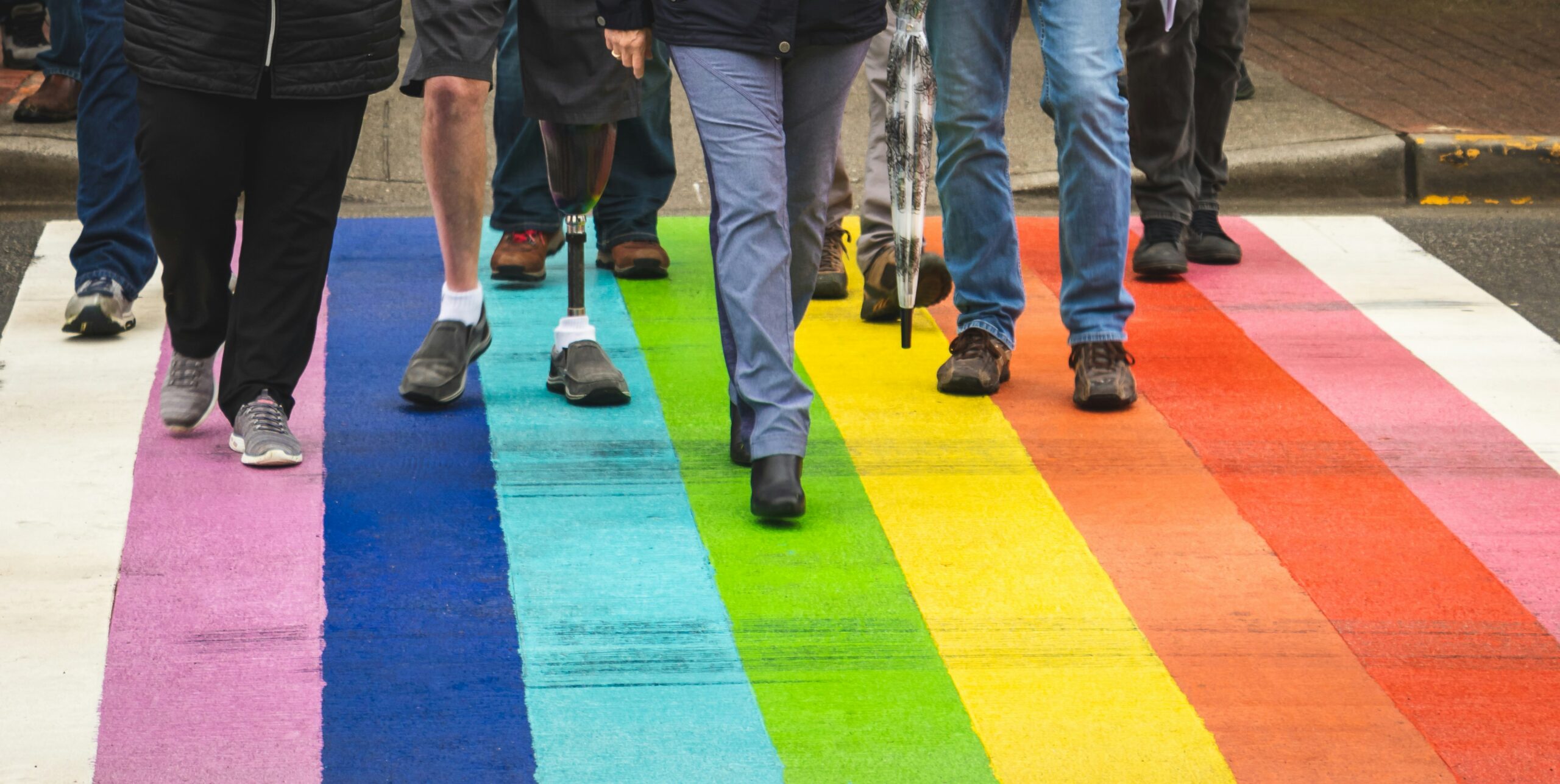
Photo by Greg Rosenke on Unsplash
Leave a Reply