
By Museumverein Klostertal
The European Union is characterized by rural areas. Depending on the definition, more than 50 percent of the population lives in such regions. Europe consists of diverse cultural landscapes with different traditions and human influences. That is why agriculture has always played an important role in European support mechanisms in the past, because the future of these cultural landscapes depends on it. However, European villages and small towns are more than that; they are places with often long histories and tangible and intangible cultural heritage. These structures are suitable as places of learning where local developments can be made visible and connections can be discovered.
The ONE Culture project, co-funded by the Erasmus+ program and implemented by a consortium of six European organizations, focuses on small-scale learning environments in various ways. The Klostertal Museum, a museum in a rural region of Austria, is a project partner. It is also a member of ICR, the International Committee for Rural Museums. Many of the methods developed in ONE Culture are suitable for encouraging rural communities to engage in lifelong learning.
Microhistory
Since the second half of the 20th century, a trend towards so-called “history from below” has been evident in historical studies. The focus of research is no longer solely on states and their leaders, but increasingly on smaller entities as points of reference. In German-speaking countries, for example, more and more “history workshops” have been established since the 1970s, serving as platforms for researching and documenting small structures such as villages and associations. Based on this, a trend has also spread in universities to examine small and manageable research units and to shed light on general lines of development.
Microhistorical approaches can be of great value in adult education. People are often much more enthusiastic about engaging in in-depth discussion when they look at their own living environment. In the non-university sector, this is often referred to as “public history.” This plays an essential role, especially in rural regions, which are often far removed from academic centers such as universities.
Methods for activation
In the course of the ONE Culture project, various methods have been developed that are suitable for working with adult learners in rural communities. They are suitable for use in different contexts. In any case, these are low-threshold approaches that should have an activating effect even on people with little formal education.
One example is the EU Values Café: It is designed to encourage adults to engage in an open, inclusive, and thought-provoking discussion of the fundamental values of the European Union. The activity can be used in political education with adult learners. In this way, a learning process can be initiated to impart knowledge about the values of the European Union.
Another example is the training practice “Common Ground – across Borders” It is particularly suitable for developing a Europe of regions that looks beyond national borders. In rural regions, people’s lives are often more comparable to those in other villages and regions than to those in their own country’s capital. The method is suitable for questioning one’s own ideas and at the same time discovering the European dimension of small units.
Developing a sense of community
The European Union is often a complex issue, especially for people in rural regions. It is usually associated with Brussels, bureaucracy, and often misunderstood regulations. The national politics common in many countries contribute to this by often shifting the blame for negative developments to Brussels.
The activities in the ONE Culture project, on the other hand, can help all participants develop an awareness of being citizens of Europe. An essential approach here is that the European Union consists of all people living within its member states, whether in large cities or small villages and regions with few inhabitants. This realization can help reduce Euroscepticism.
Further notes
Good preparation is advisable for all methods used. Above all, the organizers of the learning processes should approach the matter without prejudice and with an open mind. Low-threshold approaches must be developed that do not deter people who are new to such methods from the outset.
It is important to take all participants seriously with their perceptions and realities of life. A lack of academic education does not necessarily mean that someone does not have a well-founded opinion on the diversity of Europe. People in rural areas (who make up the majority of the continent) in particular can contribute a great deal to a colorful picture of Europe.
Conclusion
Rural areas are an essential part of Europe. The people who live there should not be forgotten when it comes to learning about EU values. Methods that directly address the realities of these people’s lives and encourage them to dig deeper are helpful, in line with the motto: dig where you live.
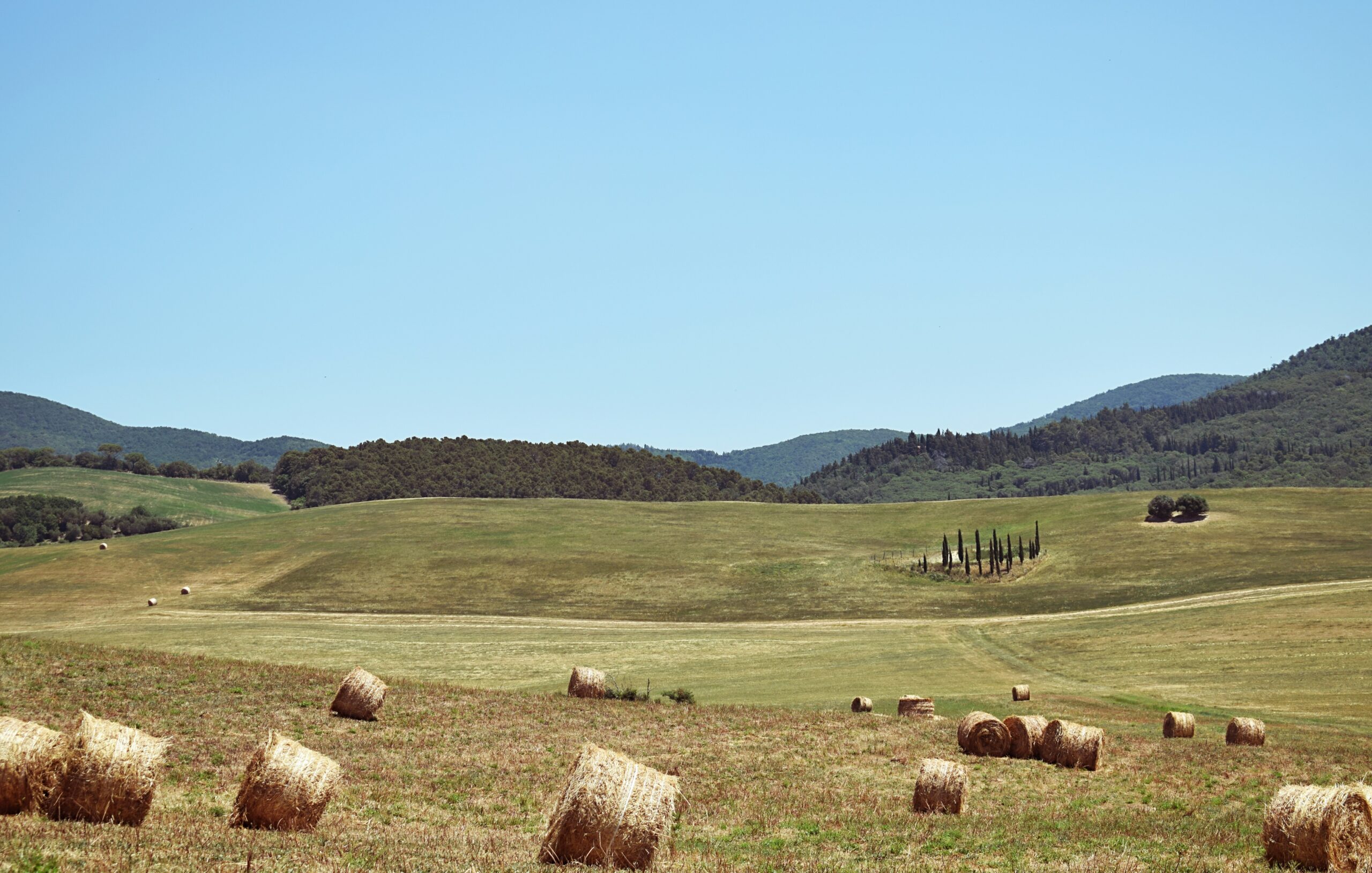
Photo by Chris Barbalis on Unsplash
Leave a Reply