
By Skill Up
Theater has always been more than entertainment. Throughout history, it has served as a powerful way for people to explore identity, share stories, and reflect on society. Across Europe, theater represents a living cultural heritage that connects communities, generations, and cultures. From ancient amphitheaters to contemporary performances, it remains a space where individuals can express themselves, listen to others, and engage in dialogue.
The journey of European theater began in ancient Greece in the 5th century BC with the great tragedies and comedies of authors such as Aeschylus, Sophocles, Euripides, and Aristophanes. Born out of religious ceremonies in honor of Dionysus, these performances took place in amphitheaters and involved the entire city community. Greek tragedy explored the fundamental questions of human existence—fate, justice, responsibility—while comedy offered a platform for satire and social critique. Even in its earliest form, theater was not only artistic but also civic: a place where citizens reflected together on the values and challenges of their society.
With the expansion of the Roman Empire, theater evolved into a more spectacular and accessible form. The comedies of Plautus and Terence adapted Greek models while introducing a more humorous and popular style. Permanent stone theaters were built across the empire, leaving an architectural legacy that can still be admired today, from Mérida in Spain to Orange in France. These spaces became meeting points for communities, demonstrating how culture could unite people across territories and languages.
During the Middle Ages, theater transformed once again. Initially discouraged because of its pagan origins, it gradually returned through religious performances organized by the Church. Liturgical dramas and sacred representations were later joined by traveling actors who performed mysteries, miracles, and morality plays across Europe. These performances blended religious narratives with everyday life, contributing to the development of a shared cultural tradition accessible to people from different social backgrounds.
The Renaissance marked another flourishing period for European theater. In Italy, commedia dell’arte introduced improvisation, masks, and archetypal characters that influenced theatrical traditions across the continent. In England, William Shakespeare produced works that continue to resonate with audiences worldwide. In Spain, the Siglo de Orosaw the emergence of playwrights such as Lope de Vega and Calderón de la Barca. These diverse theatrical traditions reflected the richness of European cultures while also revealing common themes that transcended national boundaries.
During the 18th and 19th centuries, theater became a central institution in European cities. Public and private theaters flourished, attracting diverse audiences and stimulating intellectual debate. Playwrights such as Molière and Schiller used theater to explore social issues, challenge conventions, and provoke reflection on justice, freedom, and human dignity. At the same time, opera developed as a powerful synthesis of music and drama, with composers such as Mozart, Verdi, and Wagner shaping European cultural life.
The 20th century opened the door to experimentation and innovation. Theater became a laboratory for new artistic languages and critical reflection. Movements such as Bertolt Brecht’s epic theater, Samuel Beckett’s theater of the absurd, and Jerzy Grotowski’s “poor theater” transformed the stage into a space for research and social commentary. Through these new approaches, theater confronted
the major crises of the century—wars, dictatorships, and rapid social change—while encouraging audiences to question and reflect on the world around them.
Today, European theater is more dynamic and intercultural than ever. Festivals, artistic collaborations, and international projects connect artists and communities from different countries, highlighting both diversity and shared cultural roots. Theater has also become an important educational tool, increasingly used in informal and non-formal learning contexts.
In adult education, creative methods inspired by theater—such as storytelling, improvisation, and role-playing—allow participants to reflect on identity, cultural diversity, and social values. These methods encourage active participation and dialogue, helping learners explore complex themes such as inclusion, democracy, and global citizenship in a creative and accessible way.
Initiatives like the Erasmus+ project ONE Culture – Overcoming Nationalism and Euroscepticism through Culturedemonstrate how cultural heritage and artistic expression can foster a sense of shared European identity. By using art and culture as educational tools, the project promotes intercultural dialogue, strengthens critical thinking, and encourages participants to engage with European values through creative experiences.
In this perspective, theater becomes more than a stage performance: it becomes a space where stories are shared, perspectives are exchanged, and communities can rediscover what connects them. Through creativity and dialogue, theater reminds us that Europe’s diversity is not a division but a richness that can inspire cooperation, understanding, and solidarity.
Theater is therefore not just a tradition to be preserved—it is a living heritage that continues to evolve and speak to today’s Europe. Through its many forms—classical, popular, and contemporary—it invites us to explore who we are, where we come from, and how we can build together a future based on dialogue, creativity, and shared values.
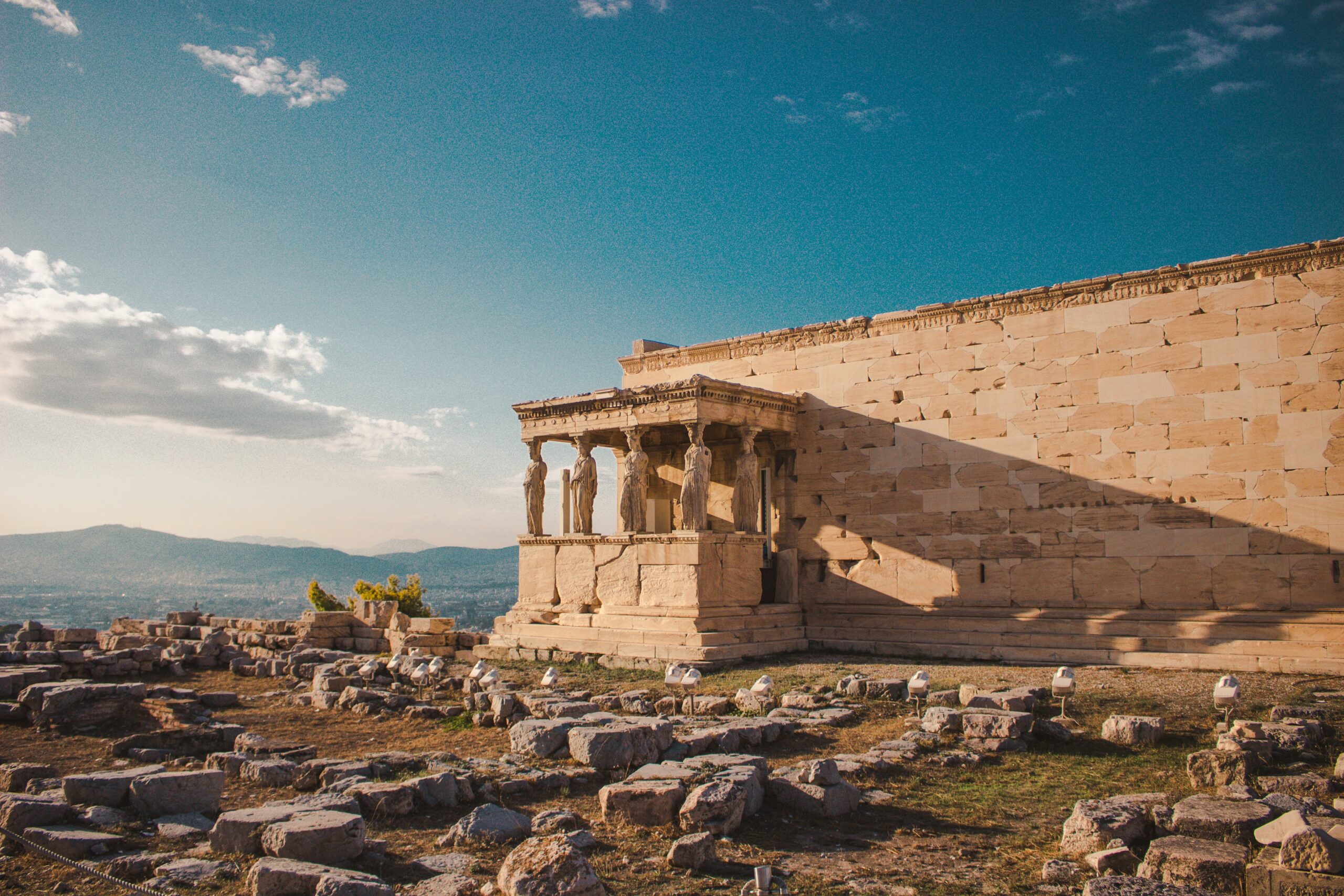
Photo by Arthur Yeti on Unsplash
Leave a Reply