
Category: Uncategorized
-

By ENCRE European societies face growing fragmentation, misinformation, and political polarisation, educators are looking for new ways to reconnect citizens with shared democratic values. Traditional methods—lectures, textbooks, institutional campaigns—often struggle to resonate with adult learners, particularly those who feel alienated from the political discourse. This is where comics emerge as a powerful tool: a hybrid…
-
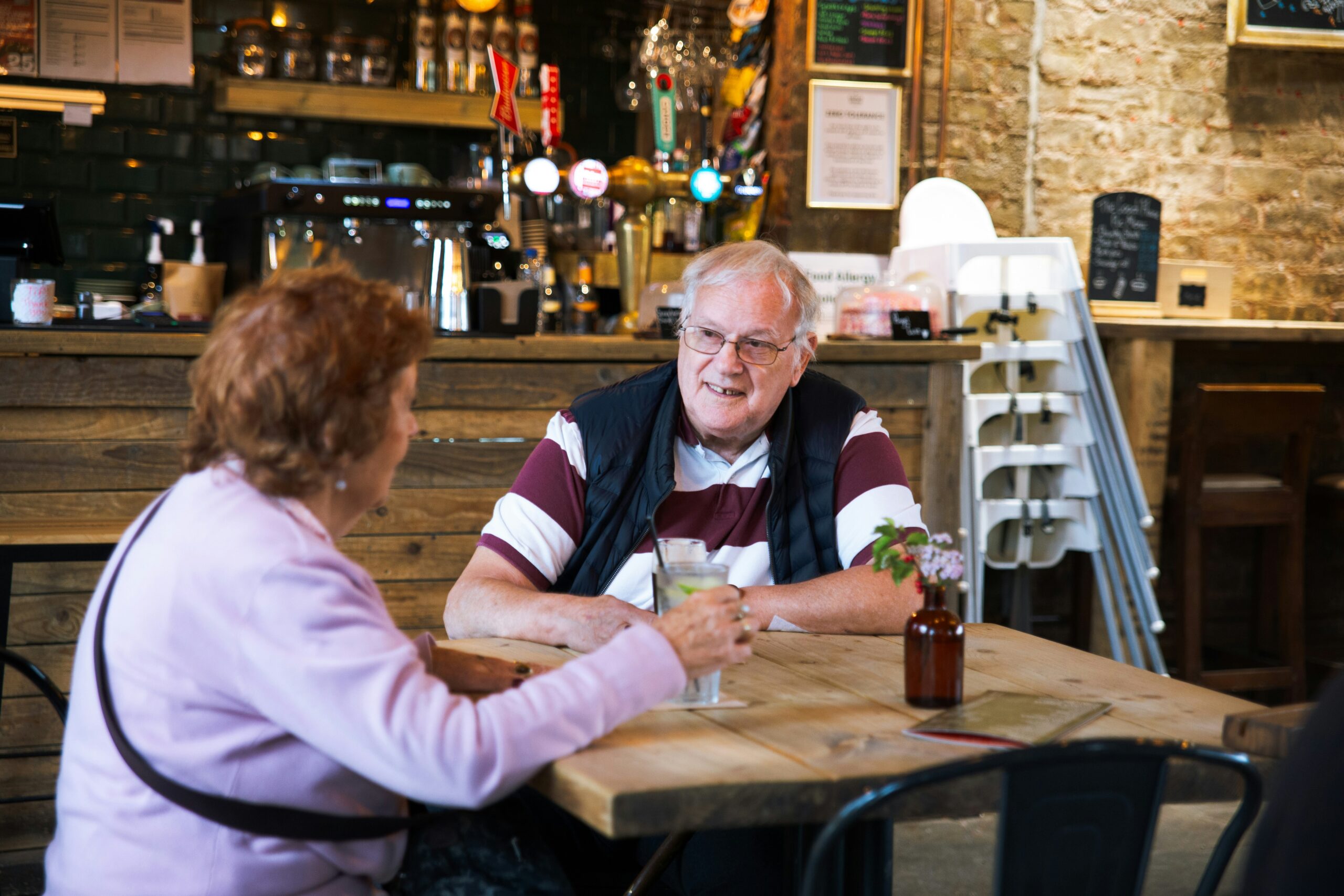
By ENCRE Throughout history, creativity has always been a space of encounter—often of conflict—between generations. Every cultural movement is, in some way, a response to what came before: sometimes in continuity, sometimes in rupture. Yet even rupture requires recognition. The act of creating always implies a dialogue with the past, a negotiation with inherited forms,…
-
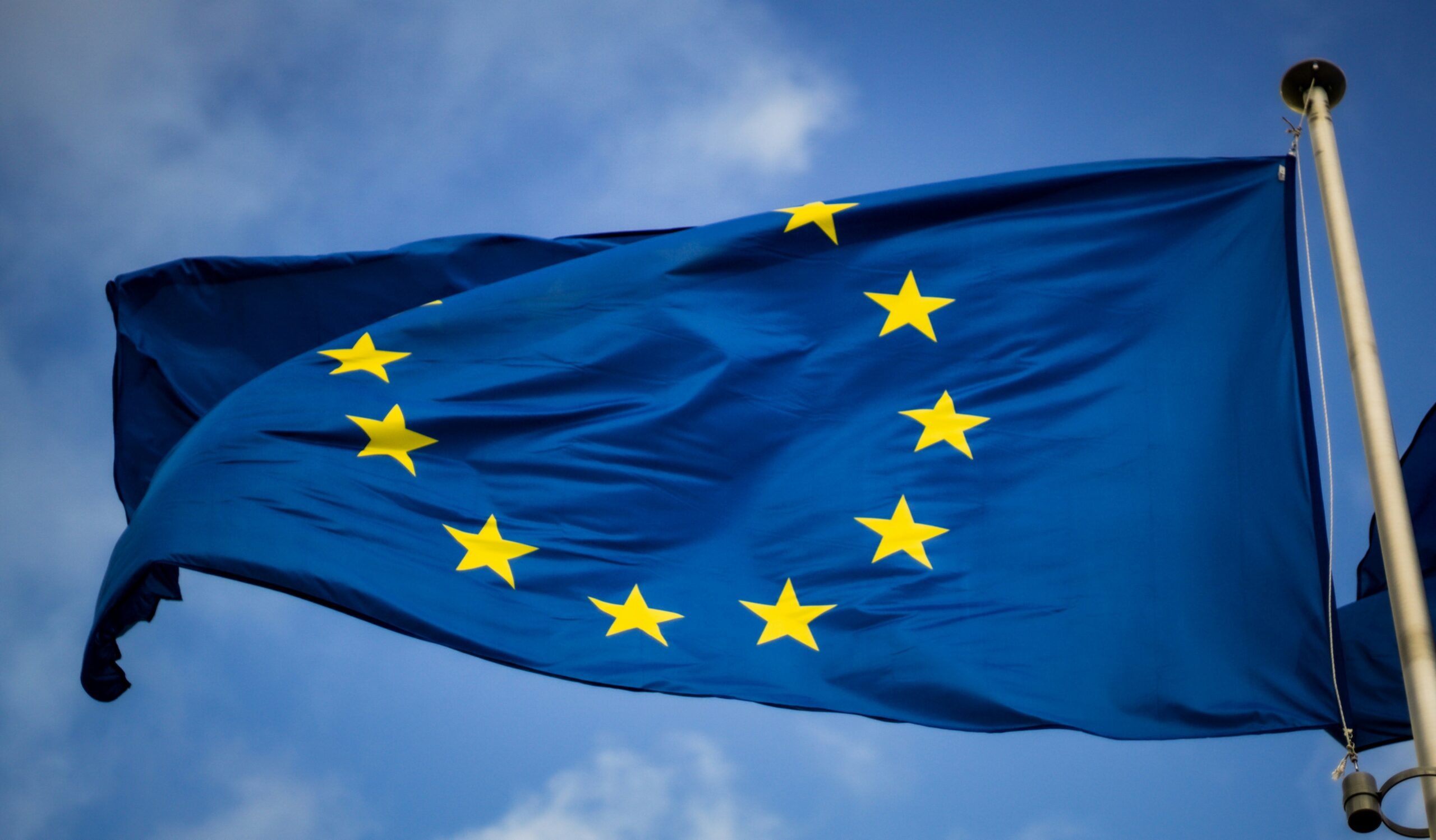
By ENCRE Beyond Brexit, reasons behind Euroscepticism Before Brexit, the idea of a country leaving the European Union seemed almost unthinkable. A few had tried—through referendums and public consultations—but with little success. Despite economic crises, political tensions, and social discontent, the Union had always held firm. That was, until the Treaty of Lisbon introduced a…
-
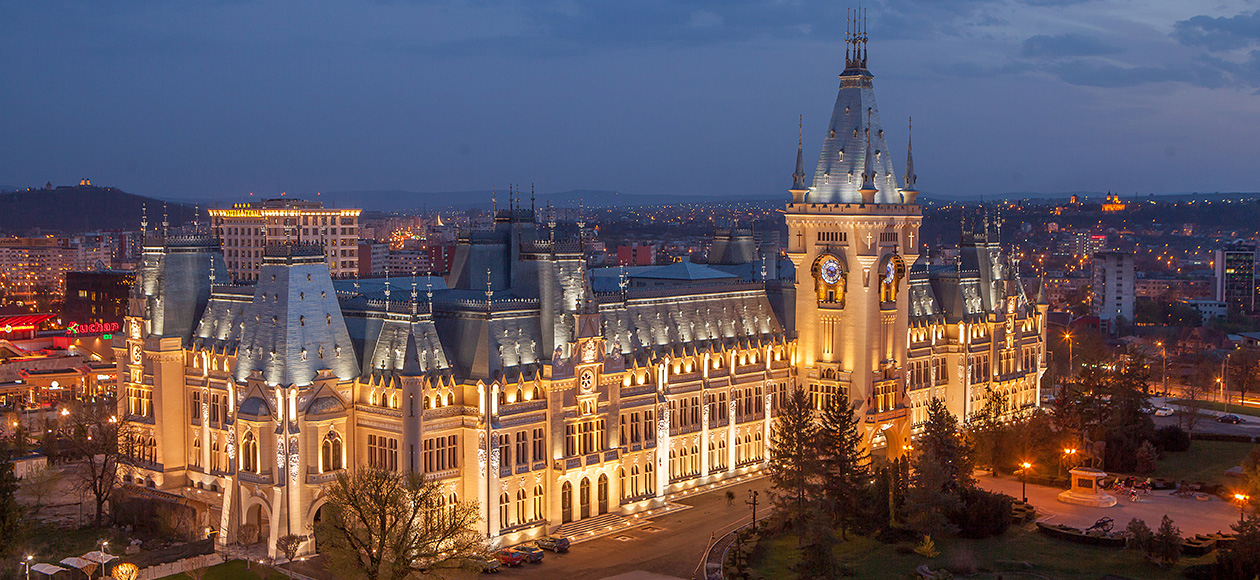
Mihăiță Liviu Chelaru and Coralia Costaș on behalf of Complexul Muzeal National Moldova Iasi The Art Museum of Iasi, founded on October 26, 1860, was the first art collection established in Romania. Over time, the museum operated in several different locations, and since 1957, its impressive collection has been housed in the Palace of Culture…
-
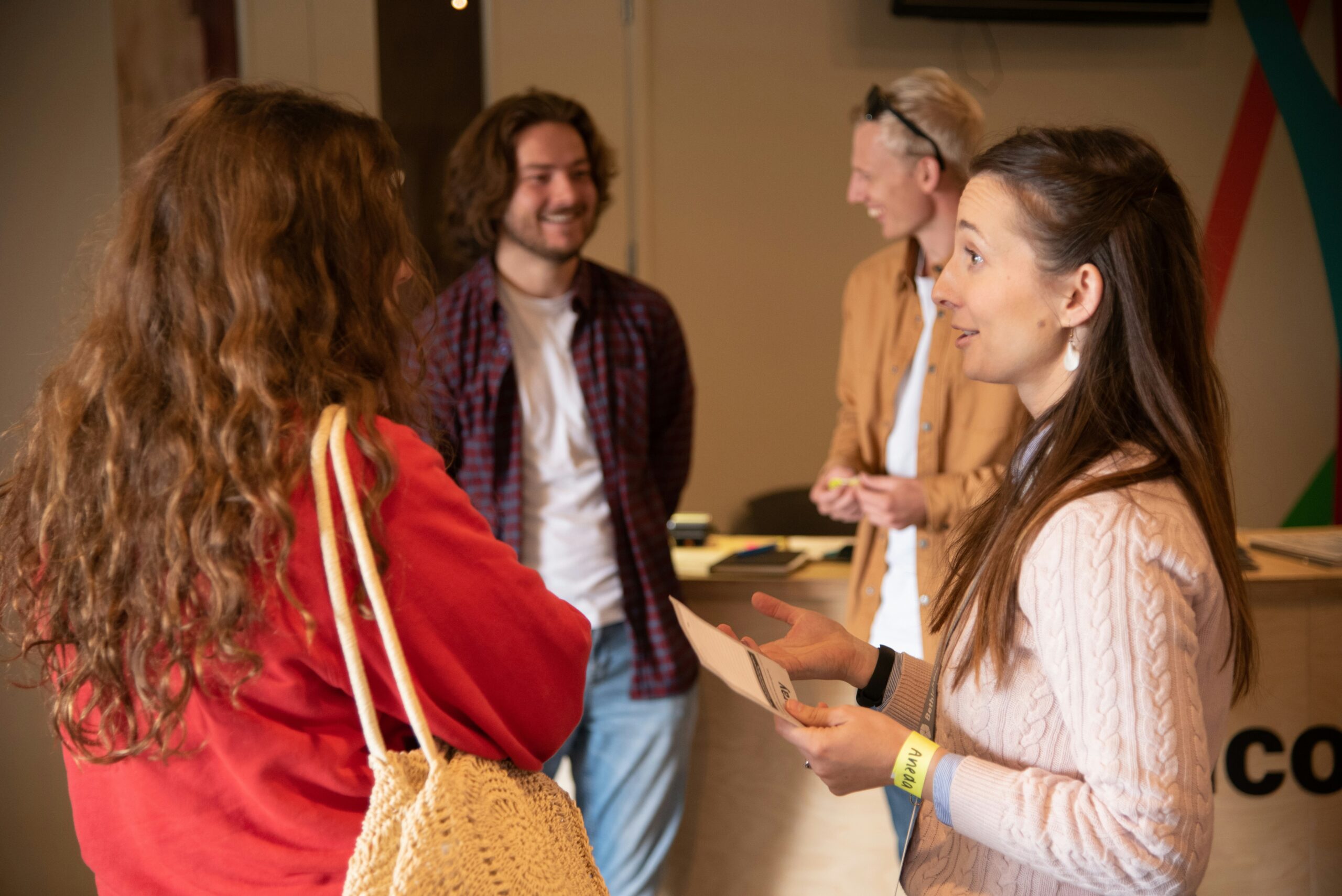
By Cap’Ulysse Experiential learning fosters intercultural dialogue, empathy and critical thinking, helping adults move beyond ethnocentrism toward inclusive societies. In an increasingly interconnected world, intercultural dialogue has become a fundamental pillar for promoting mutual understanding, resilience, tolerance, and social cohesion. European societies, shaped by globalization, migration flows, and growing digital transformation, are facing major challenges,…
-
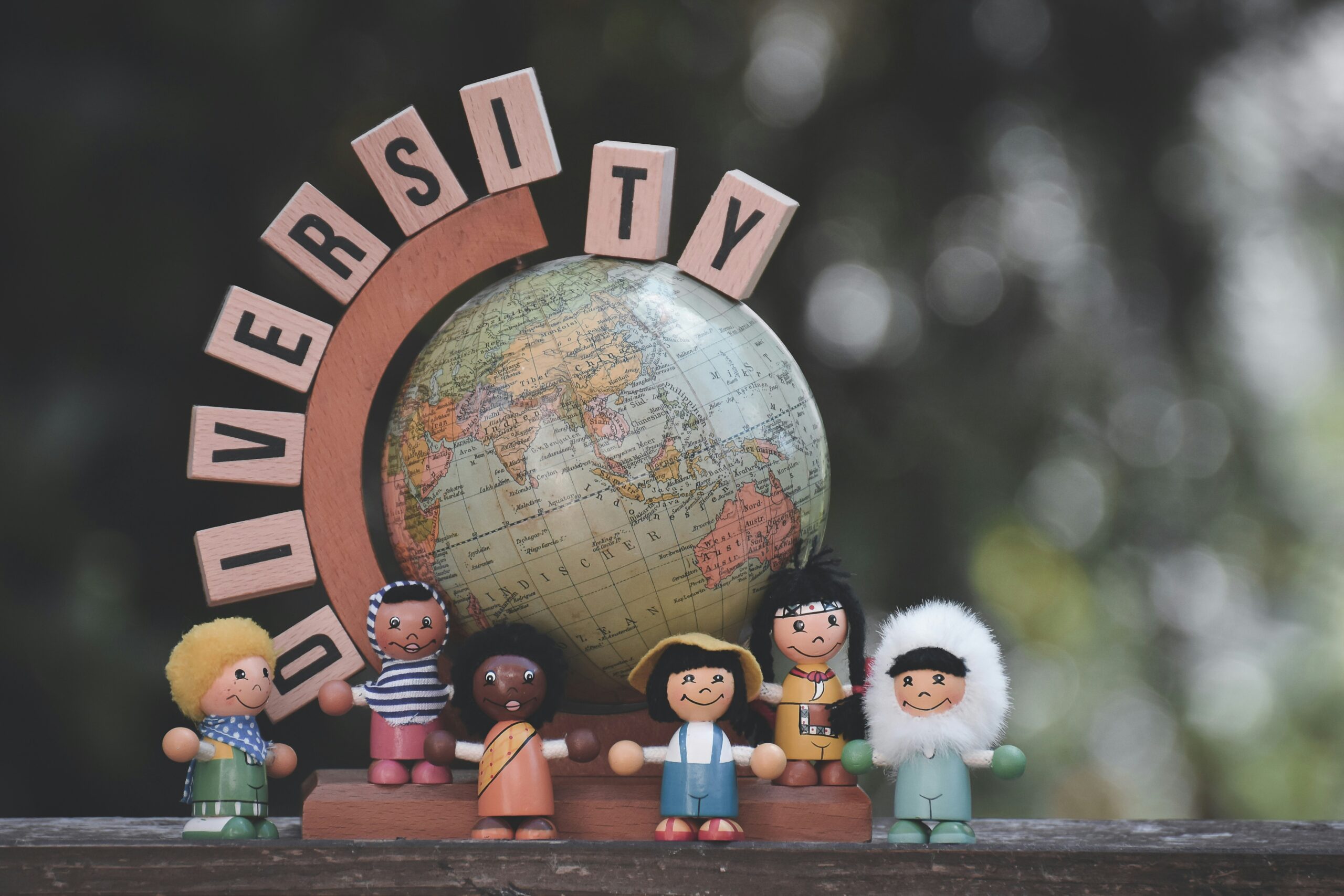
By Cap’Ulysse In today’s globalised world, people from different cultures meet more often than ever before. The encounters enrich communities, but due to many factors, otherness sometimes also leads to misunderstandings, stereotypes and prejudices. Intercultural dialogue helps prevent these tensions by encouraging people to speak openly, listen to one another and build mutual understanding. The…
-

By Ava Abtahi on behalf of Quiosq It should come as no surprise that we are witnessing increased Euroscepticism and a rising far-right in Europe in 2026. This is illustrated by parties like Italy’s Fratelli d’Italia, which grew from 1.43% in the parliamentary seats in previous elections to a whopping 59.25% in the last elections…
-
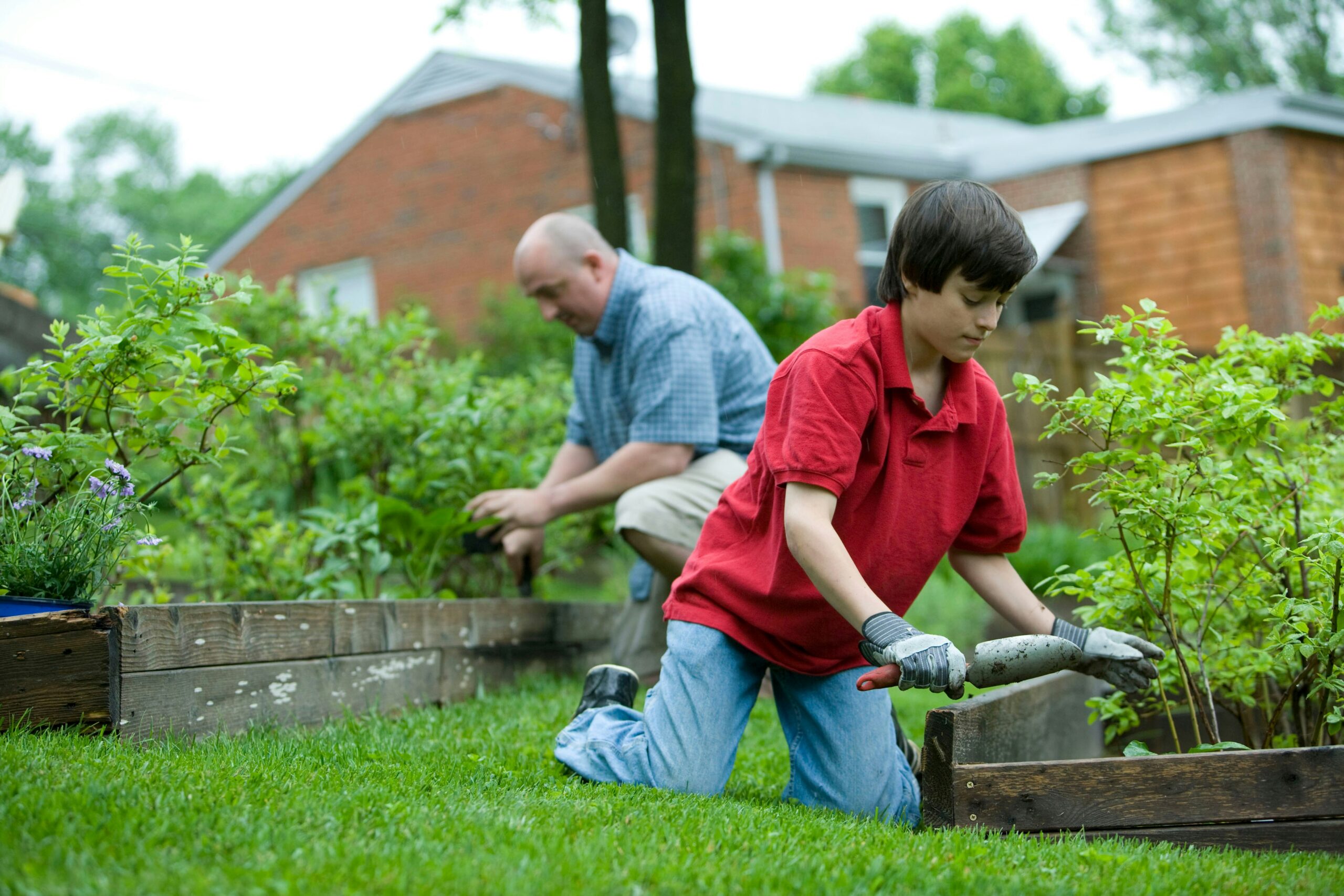
By Julie Zimmerman on behalf of Quiosq When speaking of regaining a sense of belonging, a timeless image emerges: the ancient story of the Hanging Gardens of Babylon. Whether myth or material reality, the gardens symbolise more than architectural achievement. They represent a powerful symbol about human environments: that belonging is not inherent to a…
-
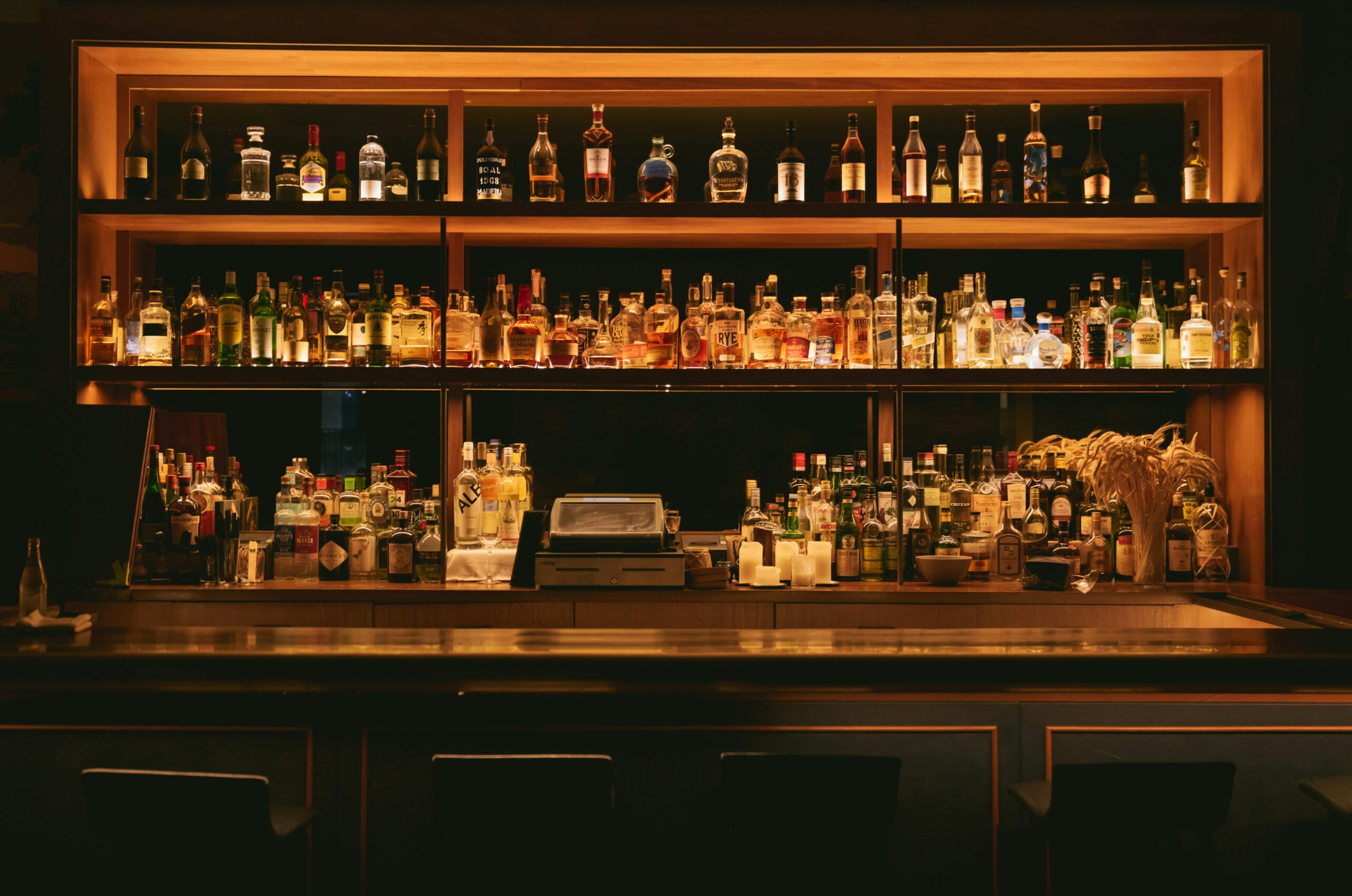
By Ava Abtahi on behalf of Quiosq The café (or bar), a place in Europe that, no matter the time of day, always has a clientele, whether it be for social gatherings, to grab a bite, or to study. Whether you’re in the North, South, West, or East of the continent, and regardless of the…
-
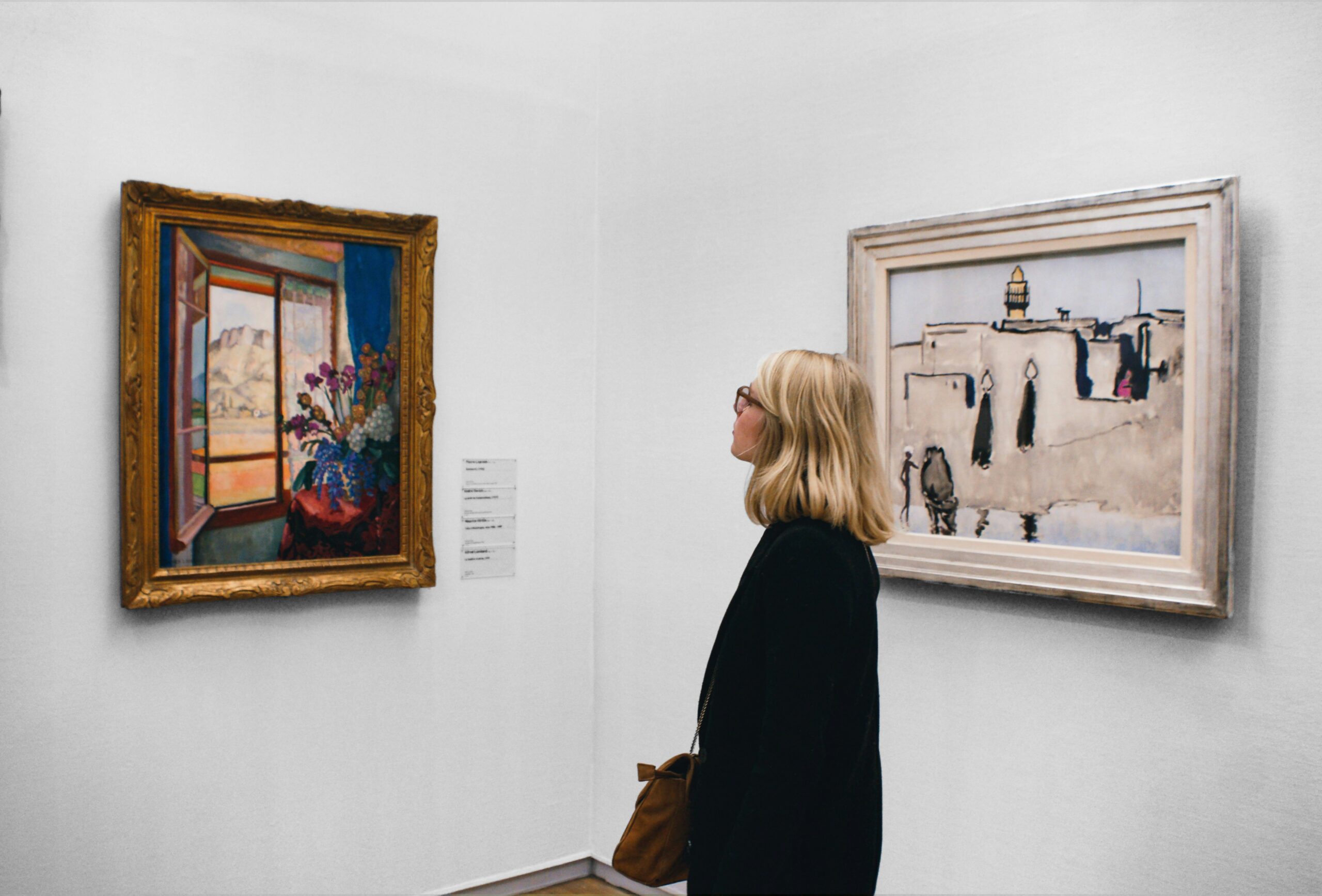
This is the theme chosen by ICOM for the International Museum Day in 2026, with the aim of capitalizing the role museums in particular and cultural institutions in general have not only at the level of cultural heritage preservation but also in the wider field of education. The International Museum Day initiative goes back to…