
Category: Uncategorized
-
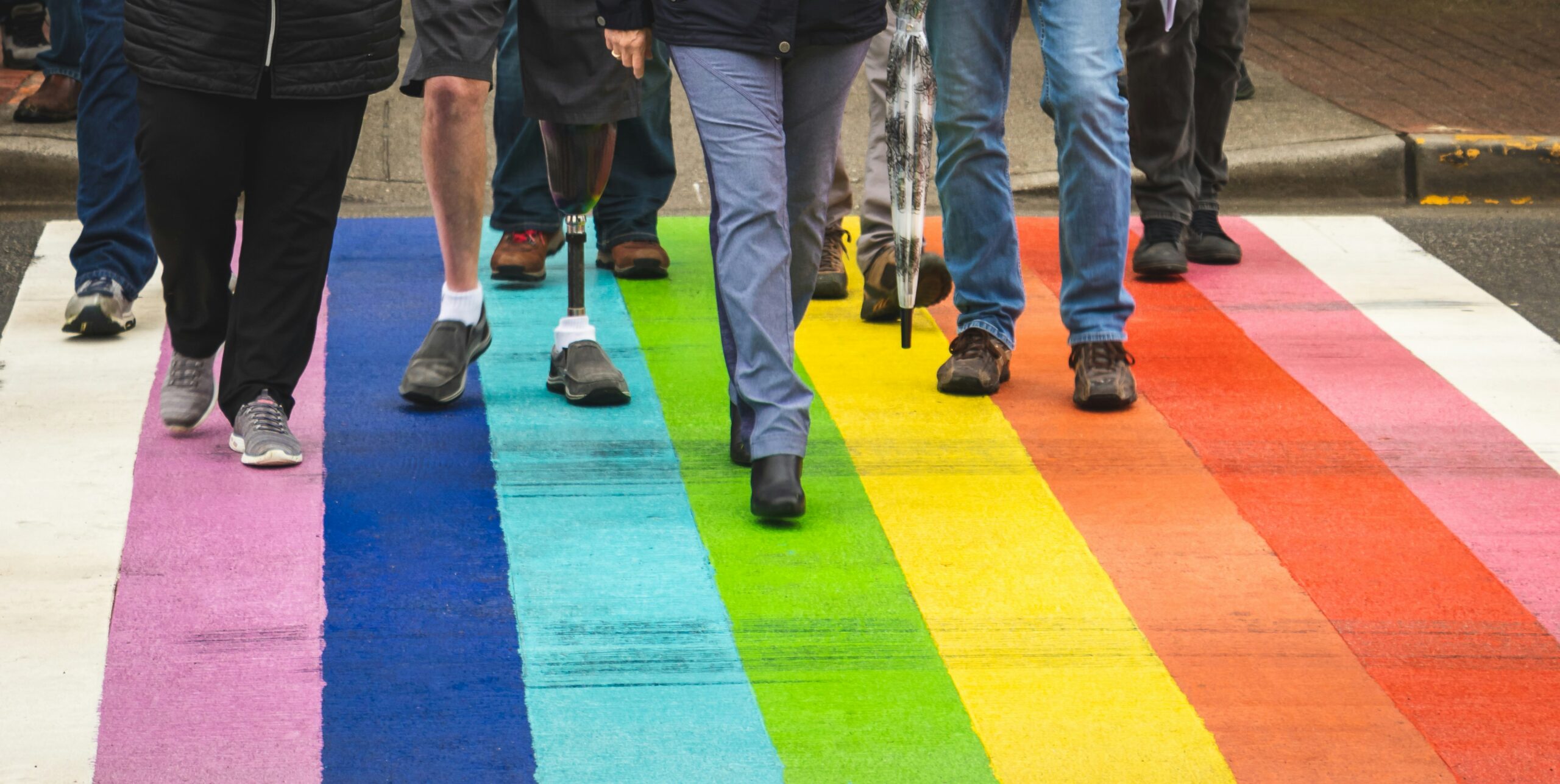
From museums to the street I grew up in Italy, where English is practically a mandatory subject throughout your entire school journey. Grammar rules, vocabulary lists, common expressions. I even started reading books in their original language, thinking it would be enough. Yet, no matter how much I learned, I always felt like something was…
-
Telling Europe’s history Introduction Literally translated, “oral history” means “spoken history”. In English, however, the term has a broader meaning: it refers to the past as recalled by a person during a conversation or interview and recounted verbally by that person. Oral history is therefore fundamentally a research method. Oral history is fundamentally a…
-

Whenever I tell people that I coordinate European cooperation projects, I am sometimes asked whether programmes such as Erasmus+ are worth the investment. It is a fair question. Public money should always be spent responsibly. After participating in and coordinating European projects for many years, however, I have come to believe that the greatest value…
-

How can we transform abstract concepts of European citizenship into tangible, understandable, and daily actions for everyone? Faced with the challenges of euroscepticism and civic disengagement, the Erasmus+ ONE Culture project offers an innovative answer: using artistic expression and creativity as levers for inclusion and adult learning. This European initiative aims to foster a stronger…
-

By Skill Up In Europe, culture also passes through the table. Every dish tells a story, every recipe is a bridge between generations, every ingredient is the result of travel, exchange, and contamination. Food is not just nourishment: it is memory, identity, tradition, but also dialogue, innovation, and encounter. European gastronomy is a living, shared…
-
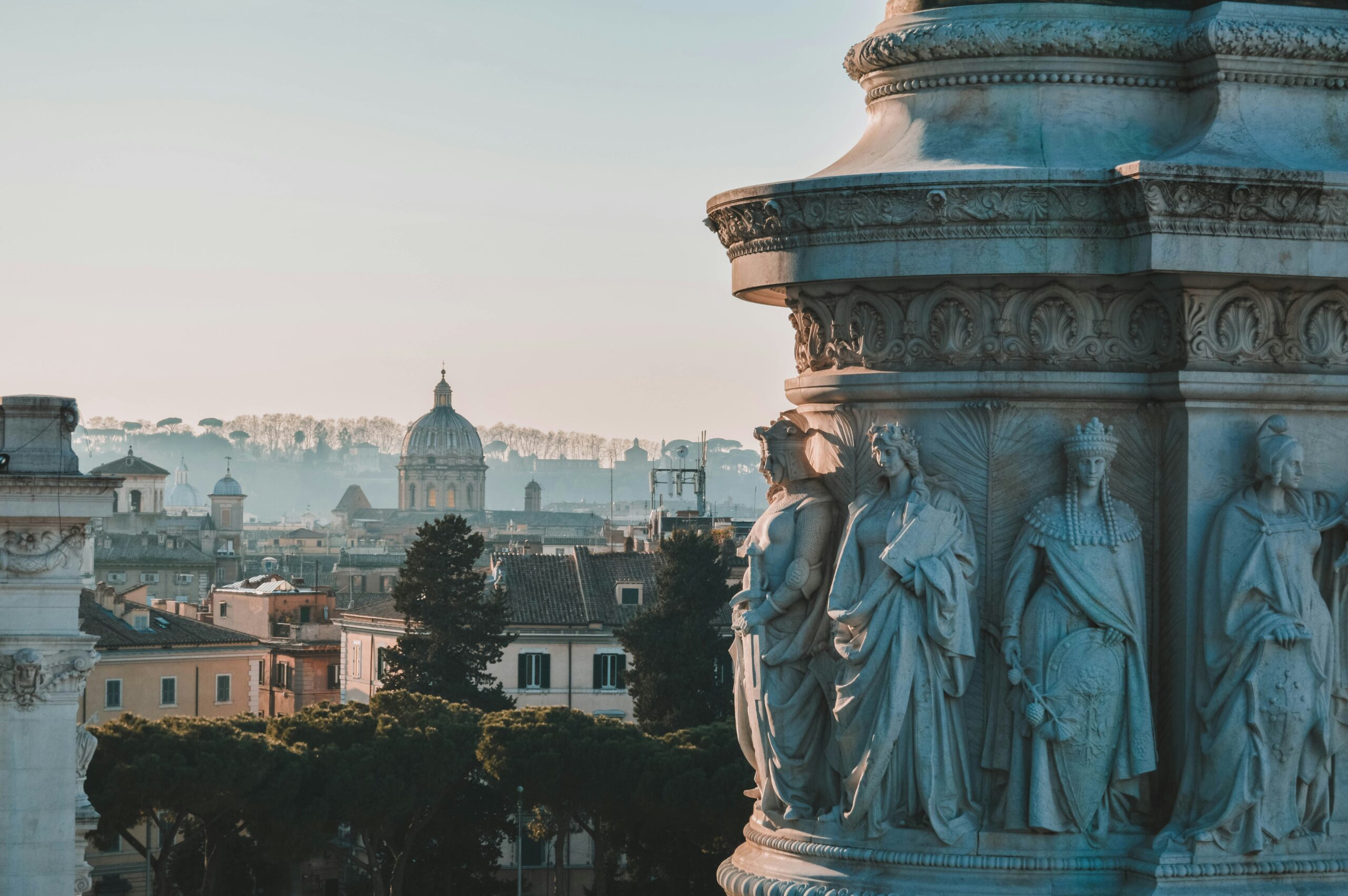
By Skill Up In an increasingly multicultural and ever-changing Europe, the One Culture project, funded by the Erasmus+ program, was created with a clear mission: to promote social integration and unity among peoples through the enhancement of European cultural heritage. This heritage is not only made up of ancient stones or museums, but also of…
-
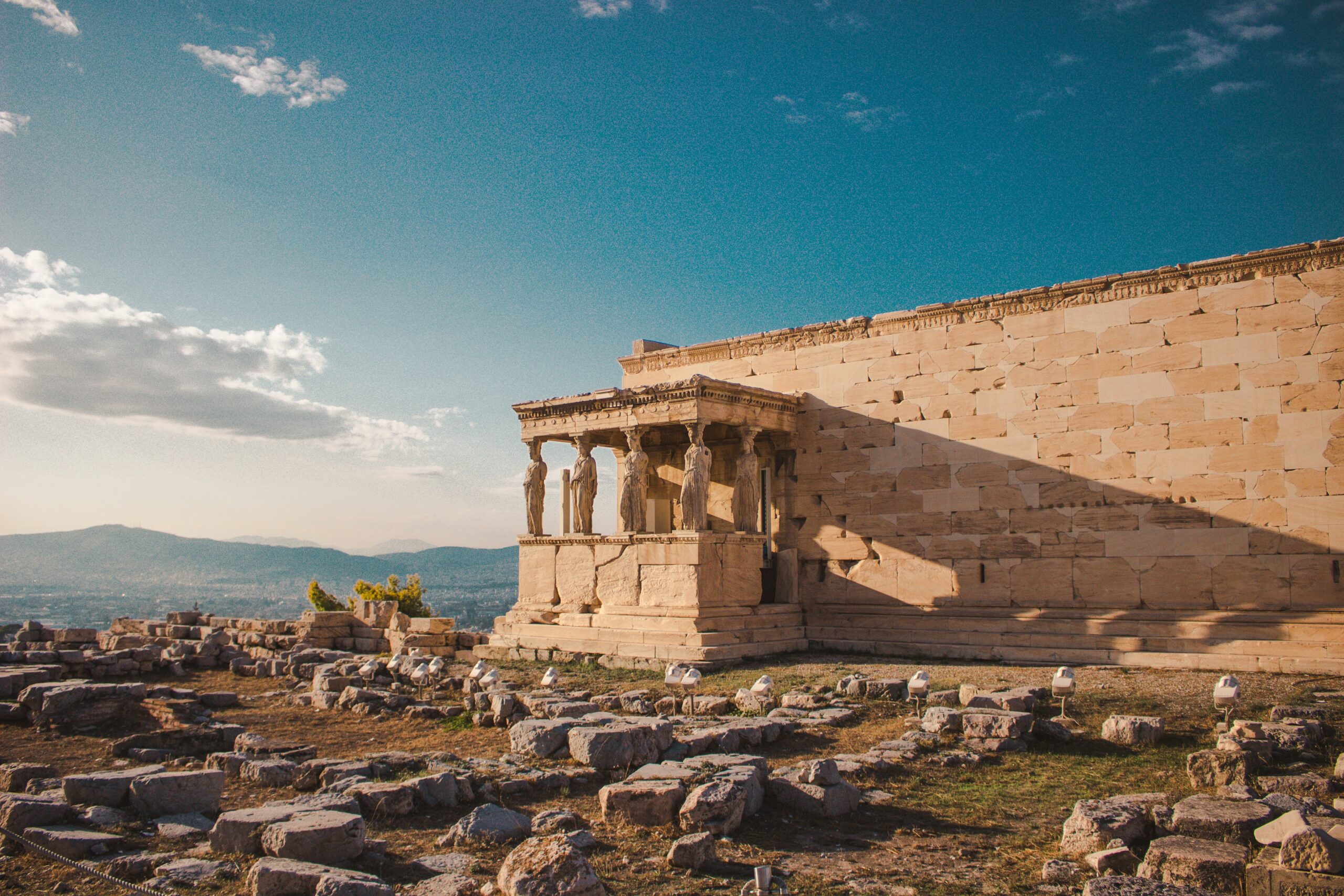
By Skill Up Theater has always been more than entertainment. Throughout history, it has served as a powerful way for people to explore identity, share stories, and reflect on society. Across Europe, theater represents a living cultural heritage that connects communities, generations, and cultures. From ancient amphitheaters to contemporary performances, it remains a space where…
-
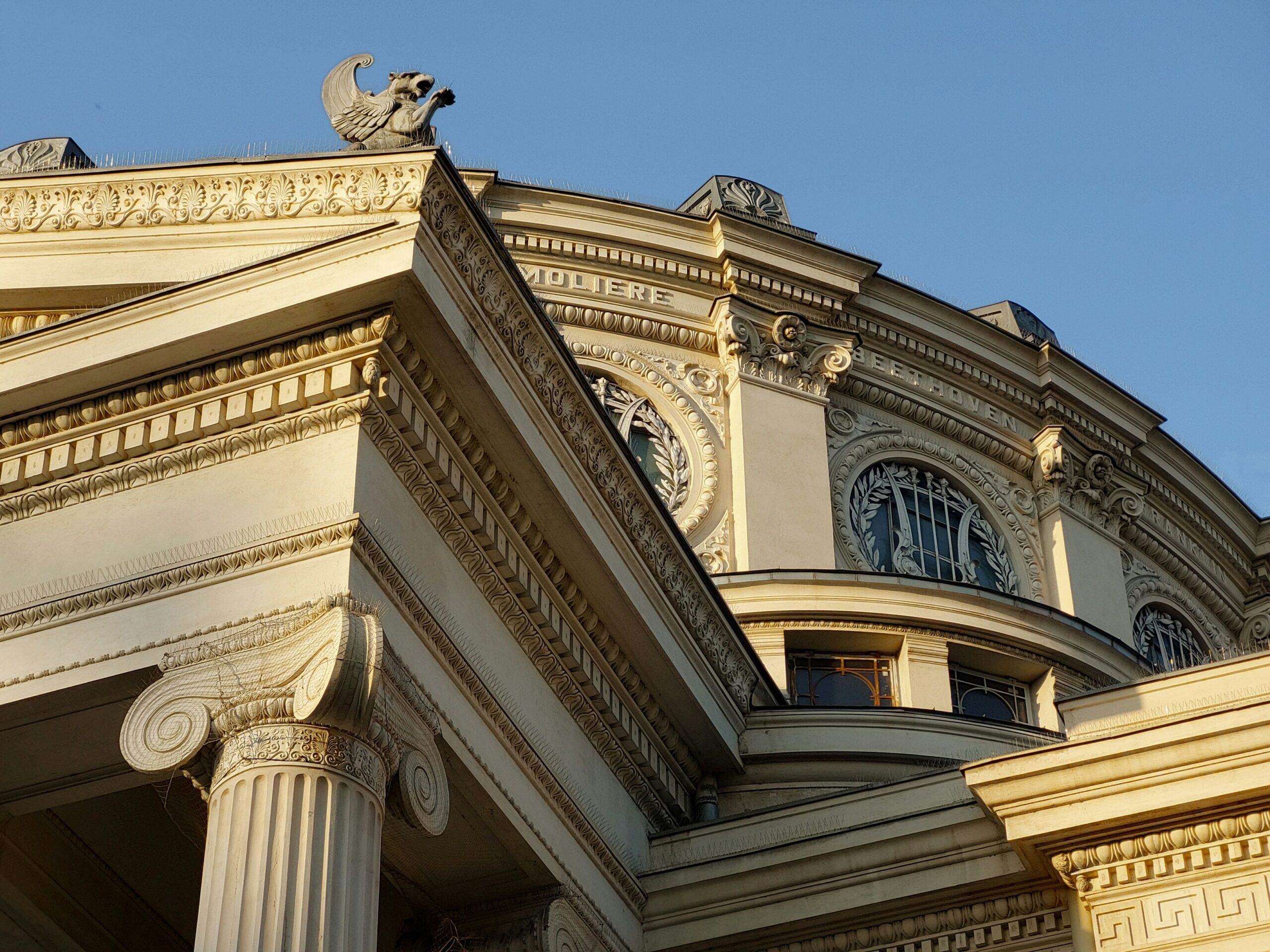
By Skill Up European architecture stands as one of the most enduring expressions of the continent’s cultural identity. Over the centuries, Europe’s urban fabric has evolved into a layered palimpsest of styles, technologies, and symbolic languages that narrate shared histories, collective memories, and shifting societal values. Scholars often describe the architectural landscape as a visible…
-
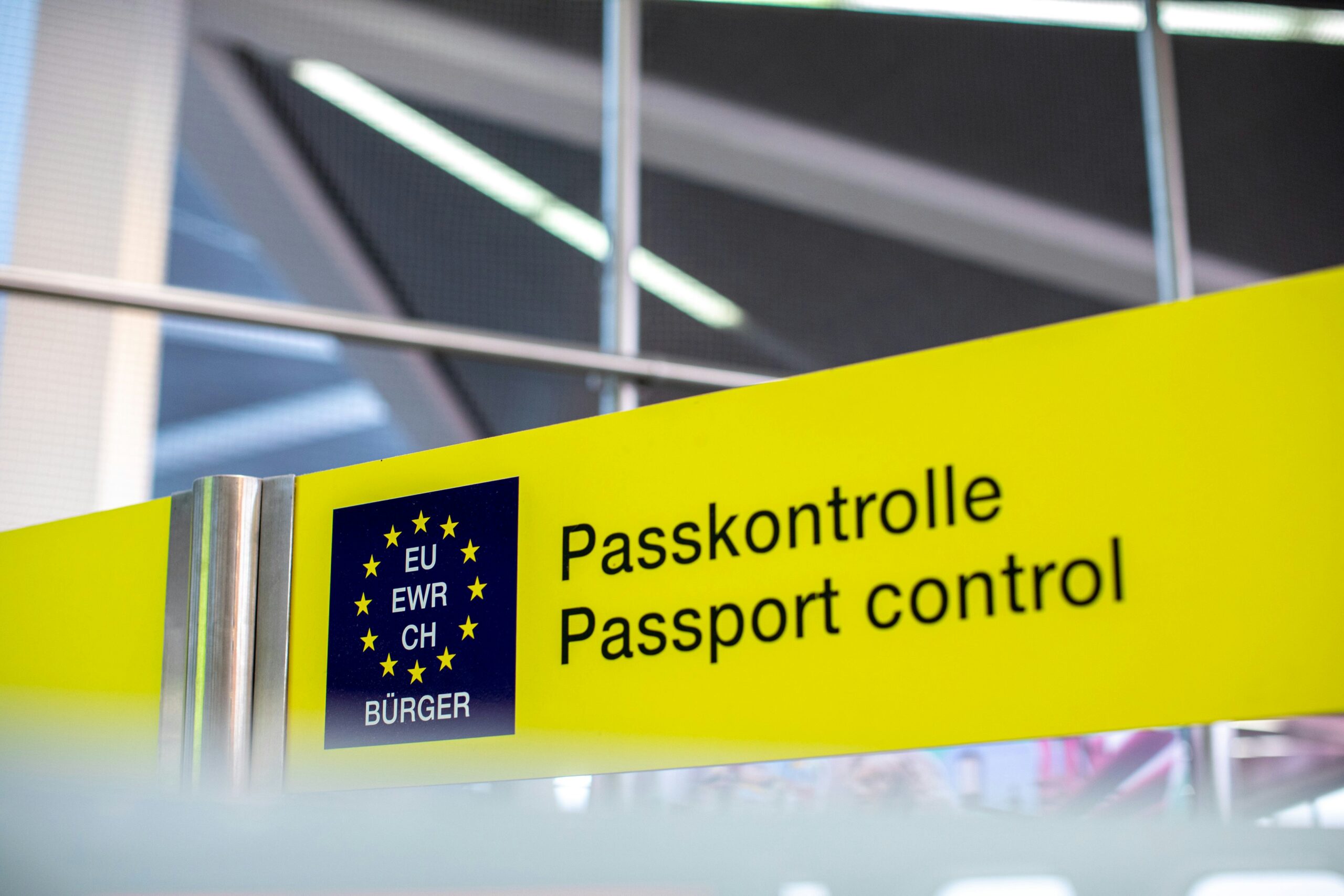
By Museumverein Klostertal European history would be inconceivable without migration. For thousands of years, people have traveled across the continent to discover and settle in new regions. The concept of national borders is a very recent one in European history. It emerged only in the 19th century, whereas in the Holy Roman Empire, for example,…
-
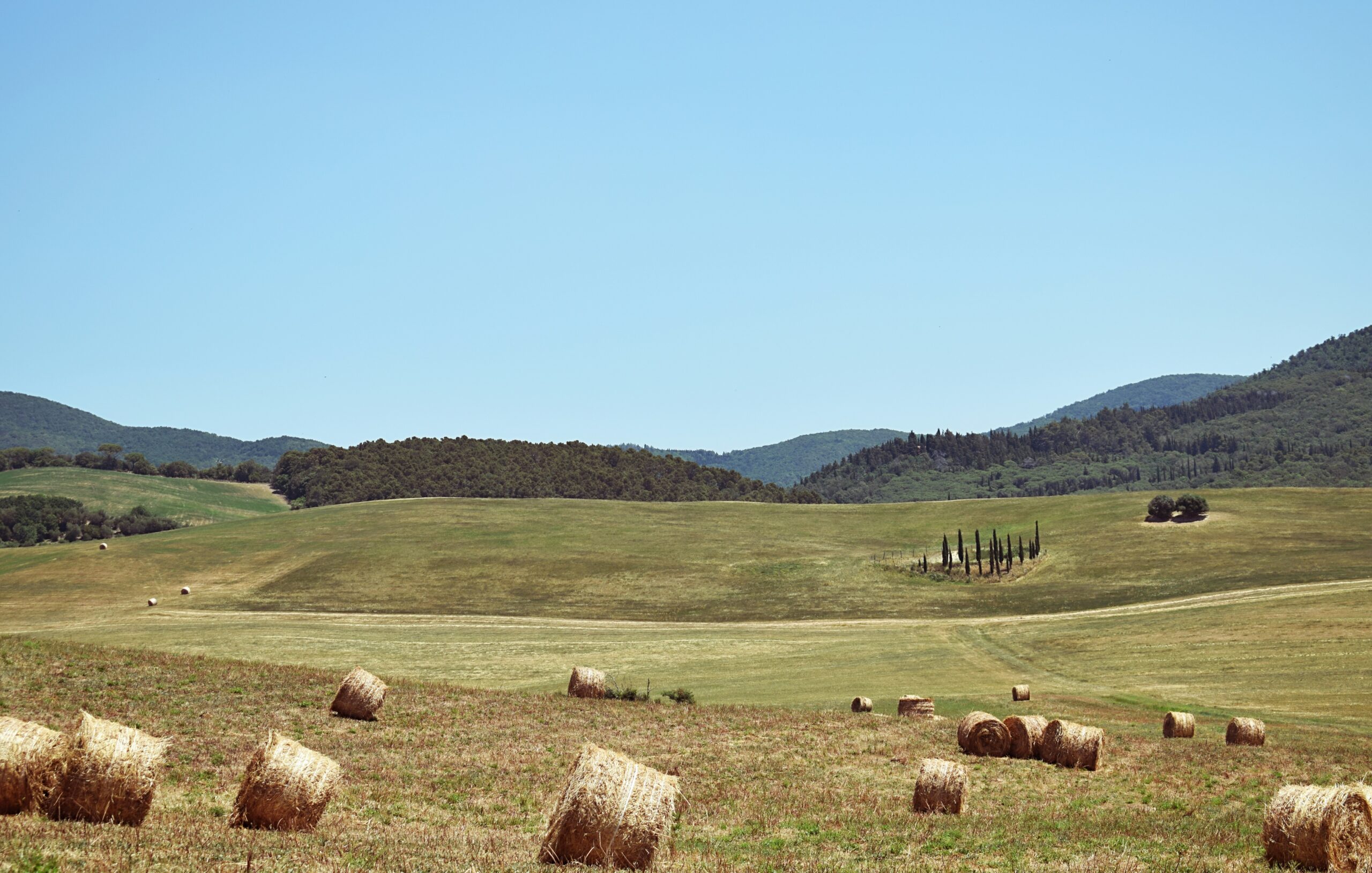
By Museumverein Klostertal The European Union is characterized by rural areas. Depending on the definition, more than 50 percent of the population lives in such regions. Europe consists of diverse cultural landscapes with different traditions and human influences. That is why agriculture has always played an important role in European support mechanisms in the past,…